Frequently Asked Questions – Hot Water
Find answers to common questions about Rinnai hot water systems, including installation, maintenance, warranty, and troubleshooting tips. Explore our FAQs to keep your hot water running efficiently and reliably all year round.
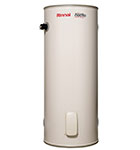
Before beginning match the type of Hot Water heater unit you have to the below images so you can refer to the correct information.
Continuous Flow

Continuous Flow



Warranty
-
What is the warranty on my hot water heater? How can I find out when it was installed and what my warranty details are? >GAS / ELECTRIC CONTINIOUS FLOW
 To confirm whether your continuous flow hot water heater is still under warranty, please refer to the warranty booklet provided with your unit. The Service Maintenance Schedule section will show the installation date and model details.
If you no longer have the booklet you can download a copy here:
 If the warranty booklet has not been completed or your warranty has not been registered, try locating the original purchase invoice from your supplier. This document should include the installation date and may also list the necessary product details.
You can also try and find the information on the product itself, via the data plate.
Please note that with some of the models you will not be able to access this information from the unit itself as the information will be inside the unit. In such cases, a licensed technician will need to confirm the details for you. Alternatively, you may contact Rinnai Customer Service to arrange assistance.
ALL OTHER HOT WATER SYSTEMS
Refer to the warranty booklet provided with your unit. If you no longer have the booklet, you can download a copy here >
If your warranty has not been registered or you do not know the details of when your unit was purchased, try locating the original purchase invoice from your supplier. This document should include the installation date and may also list the necessary product details.
 You can also try and find the information on the product itself, via the data plate.
Please note that with some of the product lines you will not be able to access this information from the unit itself as the information will be inside the unit. In such cases, a licensed technician will need to confirm the details for you. Alternatively, you may contact Rinnai Customer Service to arrange assistance.
Maintenance
SPECIFICALLY RELATED TO:
-
Infinity Gas Continuous Flow >
-
How do I clean the inlet strainer on my gas continuous flow hot water unit? >The Inlet Strainer can get blocked which restricts water flow. Follow this video for instructions on checking your strainer on your hot water unit.
– Note: This video is from Rinnai New Zealand and refers to the ‘A Series’, which is the same as the Infinity Gas Continuous Flow hot water unit in Australia.
– IMPORTANT: If your hot water unit is part of a gas-boosted solar hot water system, skip this step to avoid scalding risks. Only qualified technicians should check the strainer in such systems.
-
-
Electric Storage Tanks >
-
How often should I replace my anode*? >The water heater is fitted with a sacrificial anode to extend it’s life. It will slowly dissipate whilst protecting the cylinder. The life of the water heater may be extended by arranging for an authorised person to inspect the anode and replace it if required. It is recommended that the anode be inspected at least every 5 years.
The factory fitted Rinnai anode is Magnesium based. This anode is suitable when the total dissolved solids (TDS) content in the water supply does not exceed 600 mg/L, which is the case in most areas. In areas where the total dissolved solids (TDS) content in the water supply exceeds 600 mg/L the Rinnai aluminium based anode is required.* An anode is a metal rod inside the hot water tank that helps prevent rust. It slowly corrodes over time so the tank stays protected and lasts longer.
-
-
Gas Storage Tanks >
-
How often should I get my gas hot water storage unit serviced? >Owner/User checks – Six monthly service
– Operate the Pressure and Temperature Relief (PTR) valve for approximately 10 seconds by operating the easing lever on the valve to ensure water is relieved to waste through the relief drain pipe.
– Check to ensure the valve closes correctly.
Authorised personnel – Five year service
The five year service must be carried out by a licensed tradesperson. It is recommended that this service be carried out by your local Rinnai Service representative. The service should include the following:
- Replace the Pressure and Temperature Relief (PTR) valve.
- Replace the anodes (in areas of harsh or adverse water conditions, a more frequent check of the anodes is recommended).
- Flush the water heater by doing the following:
– Turn off gas supply.
– Turn off the cold water supply to the water heater at the isolating valve.
– Gently operate the easing lever on the Pressure and Temperature Relief valve to release the pressure in the water heater.
– Disconnect the cold water inlet union to the heater and attach a drain hose.
– Gently operate the Pressure and Temperature Relief valve to let air into the heater and allow water to escape through the hose.
– Flush the heater until clear water appears then reconnect all fittings, fill the heater and restore the gas supply.
-
New installations and general questions
-
How do I install my hot water heater? >To install your Rinnai hot water heater, please book a qualified technician. This ensures expert handling and adherence to safety precautions.
You can refer to the owner / operations manual for general information and contact a technician or Rinnai Customer Service for more specific details. -
What’s the difference between a Continuous Flow, Storage Tank, and Heat Pump hot water system? >A Continuous Flow (also known as tankless or instantaneous) hot water system heats water only as it’s needed, providing an endless supply of hot water without the need for a storage tank. These systems are compact, energy efficient, and ideal for homes with limited space or varying hot water demand.
A Storage Tank system heats and stores a fixed amount of water, ready for use throughout the day. It’s a reliable choice for households with consistent or high hot water demand, as it can deliver water to multiple outlets simultaneously. However, once the stored water is used, the tank needs time to reheat.
A Heat Pump system works differently – it extracts heat from the surrounding air to warm the water stored in the tank, much like a reverse-cycle air conditioner. This makes it one of the most energy efficient hot water options available, especially in mild to warm climates. -
Which type of hot water system is the most energy efficient – Continuous Flow, Storage Tank, or Heat Pump? >In general, a Heat Pump hot water system is the most energy efficient option. It uses renewable energy from the air to heat the water, consuming significantly less electricity or gas compared to traditional systems.
A Continuous Flow system is also efficient, as it only heats water on demand and doesn’t waste energy keeping stored water hot. However, its efficiency depends on factors such as gas type, usage patterns, and water temperature settings.
A Storage Tank system is typically less efficient, as it continuously maintains the stored water at temperature, resulting in standby heat loss. That said, modern electric or gas storage systems with good insulation and timers can still perform well for households with high or consistent hot water use. -
What size hot water heater should I choose for my house? >There are many factors to consider when sizing a hot water system for your home.
To assist you, we offer sizing guides in our brochures.
If you’re unsure which hot water system is right for you contact one of our hot water specialists to request a quote here.
GAS CONTINUOUS FLOW
Below is a break down of the Infinity range for sizing comparisons. For more information refer to the following brochure for sizing for our Infinity Gas Continuous Flow hot water heater range.
- Models
- Infinity B12: ☀️ 1 shower | ❄️ 1 shower.
- Infinity B16: ☀️ 1 shower | ❄️ 1 shower.
- Infinity B20: ☀️ 1-2 showers | ❄️ 1 shower.
- Infinity B26: ☀️ 1-3 showers | ❄️ 1-2.5 showers.
- Infinity B28i: ☀️ 1-3 showers | ❄️ 1-2.5 showers.
- Infinity B32: ☀️ 2-4 showers | ❄️ 2-3 showers.
ELECTRIC CONTINUOUS FLOW
Below is a break down of the Efinity range for sizing comparisons. Refer to the following brochure for sizing for our Efinity Electric Continuous Flow hot water heater range.
- Models
- Efinity 14kW: 1 shower | 1 sink | 2 basins.
- Efinity 19kW: 1 shower | 2 sinks | 3 basins.
- Efinity 29kW: 2 showers | 2 sinks | 4 basins.
Note: A sink has a deeper bowl used in kitchens or laundries, while a basin is shallower and found in bathrooms.
ELECTRIC STORAGE TANKS
As a general guide, you’ll need about 50 litres of hot water per person, plus an extra 50 litres to cover those busy times when everyone’s using hot water at once. Refer to the Electric Storage Tank product pages for a complete breakdown of the range.
- For example:
- 1–2 people → around 125L.
- 3–4 people → around 250L.
- 5 or more people → 315L or larger.
Everyone’s usage is a bit different, so think about things like how long your showers are, what time of the day showers are taken, how often you use the washing machine or dishwasher, and whether you have guests staying often.
GAS STORAGE TANKS
Below is a sizing guide for Rinnai’s Gas Storage Tanks. Refer to the product pages for a complete breakdown of the range.
- Models
- HotFlo 135L: ☀️ up to 5 people | ❄️ up to 4 people.
- HotFlo 170L: ☀️ up to 6 people | ❄️ up to 5 people.
ELECTRIC HEAT PUMPS
Below is a break down of the Rinnai Heat Pump range for sizing comparisons. Refer to the product pages for a complete breakdown of the range.
- Models
- Enviroflo S 5.0kw : 250L → up to 5 people | 315L → up to 6 people.
- Enviroflo S 7.0kw : 250L → up to 5 people | 315L → up to 6 people | 400L → up to 8 people.
- Enviroflo AR Series: 300L → up to 6 people | 340L → up to 7 people.
- Enviroflo GR Series: 215L → up to 4 people | 280L → up to 5 people | 300L → up to 6 people.
- Enviroflo A Series: 180L → up to 3 people.
- Enviroflo 265L: 265L → up to 5 people.
- Hotflo Plus 250L: 250L → up to 5 people.
-
What size Heat Pump do I need for my home? >
The right size Heat Pump for your home depends on several factors, including:
- The number of people in your household.
- Your hot water usage habits.
- Climate and location.
- The type of dwelling (e.g., house, apartment).
Below is a break down of the Rinnai Heat Pump range for sizing comparisons. Refer to the product pages for a complete breakdown of the range.
- Models
- Enviroflo S 5.0kw : 250L → up to 5 people | 315L → up to 6 people.
- Enviroflo S 7.0kw : 250L → up to 5 people | 315L → up to 6 people | 400L → up to 8 people.
- Enviroflo AR Series: 300L → up to 6 people | 340L → up to 7 people.
- Enviroflo GR Series: 215L → up to 4 people | 280L → up to 5 people | 300L → up to 6 people.
- Enviroflo A Series: 180L → up to 3 people.
- Enviroflo 265L: 265L → up to 5 people.
- Hotflo Plus 250L: 250L → up to 5 people.
-
What size Solar hot water tank do I need? >Solar tanks are typically sized based on the number of people in your household. A common guideline is:
- 1–2 people → up to 200L
- 3-4 people → 200-250L
- 5 or more people → 315L
This provides a general guideline; actual needs may vary depending on hot water usage habits and appliance demand. Refer to the product pages for a complete breakdown of the range. -
Is a Tankless hot water heater unit the same as a Continuous Flow hot water unit >Yes, they are the same type of system. A Tankless or Continuous Flow hot water unit heats water on demand, rather than storing it in a tank. This means you’ll never run out of hot water, and energy is only used when you turn on the tap – making it an efficient and space-saving option for many homes.
-
What does the Energy Star Rating mean? >The Energy Star Rating Label, introduced and regulated by the Australian Government for over 30 years, helps consumers compare the energy efficiency and running costs of household appliances. In simple terms, the more stars a product has, the more energy efficient it is.
-
What types of Continuous Flow hot water units are available? >Rinnai offers a range of Continuous Flow hot water units to suit different applications, including:
- Residential Gas Continuous Flow models – available in standard, Black, and internal versions, as well as the 7 Star energy efficient Enviro range.
- Commercial Continuous Flow systems – designed for higher demand and larger installations.
- Electric Continuous Flow units – providing a gas-free alternative for suitable applications.
-
Can I replace my Gas Storage unit with a Rinnai Continuous Flow hot water unit? >Yes, you can replace your Gas Storage water heater with a Rinnai Continuous Flow unit but it’s unlikely to be a direct swap. Here are a few important considerations:
- Gas supply requirements
– Continuous Flow units require a higher gas volume to instantly heat water.
– You may need to upgrade a section of your gas piping to meet this demand. - Electrical requirements
– Continuous Flow units require electric power for ignition and operation.
– An external power point (GPO) may need to be installed by a licensed electrician. - Installation advice
– Always consult a licensed plumber and electrician to assess your current setup and ensure compliance with local regulations.
– Rinnai recommends professional installation to ensure optimal performance and safety.
- Gas supply requirements
-
Can existing flueing be used for gas replacement installations? >This depends on a number of factors, including the type of appliance, the type of installation and the condition of the existing flue system. In some cases the existing flue system can be used, in other cases this will not be appropriate.
This is best assessed on site by a Rinnai Service Technician or by your licensed installer.
SPECIFICALLY RELATED TO:
-
Infinity Gas Continuous Flow >
-
What type of gas do Infinity Gas Continuous Flow units require? >Most Rinnai Continuous Flow units are available for Natural Gas or LPG. Each unit must be installed for the gas type specified on the unit. In some cases, conversion kits may be available to switch from one gas type to another, but these must be used according to the manufacturer’s instructions.
-
Will one Continous Flow hot water unit be enough for a large home? >In larger homes with extended pipe runs, a single unit may not always provide the best performance. Installing two Continuous Flow units – positioned closer to high-use areas such as bathrooms or the kitchen – can help reduce heat loss and minimise the delay in hot water reaching your outlets.
-
How many litres can a Continuous Flow hot water unit heat? >The heating capacity of a Continuous Flow unit depends on the model selected. Each unit is designed to raise the incoming water temperature by up to 25°C above ambient while maintaining its peak flow rate. If higher outlet temperatures are required, the flow rate will gradually decrease to ensure consistent performance.
-
Do I need a preset 50°C or 60°C Continuous Flow hot water unit? >A unit preset to 50°C typically meets local regulations and usually does not require additional tempering valves. A 60°C unit, however, will require tempering valves in hygiene areas such as bathrooms to prevent scalding, while allowing kitchens and laundries to receive water at 60°C. For non-standard applications, such as commercial facilities or aged care, regulations may require the unit to be preset to an even lower temperature, such as 42°C.
-
How much does it cost to run a Continuous Flow hot water system? >The cost of running a Continuous Flow (tankless) hot water system in Australia depends on several factors, including:
- Whether the system is gas or electric (gas models are often cheaper to run than electric, depending on your energy prices).
- How often you use hot water.
- The temperature you set the water.
- The number of people in your household.
- Your location, which affects energy costs.
Because Continuous Flow systems heat water on demand, they can be more energy-efficient than traditional storage systems, especially if you use smaller amounts of hot water frequently. For an average household, running costs vary widely, but many households see savings compared to older storage systems. For a more precise estimate, check your energy provider’s rates and calculate based on your household’s hot water usage. -
What options are available for installing a Continuous Flow hot water heater indoors? >Rinnai offers several options for internal installation:
- The Infinity 28 Internal model can be installed indoors using the appropriate flue, which can terminate vertically or horizontally.
- The Efinity Electric Continuous Flow hot water system is ideal for residential apartments, commercial buildings, and multi-dwelling developments where 3-phase power is available and gas is not an option. Its compact and sleek design allows for flexible installation in a variety of spaces, helping to maximise available room.
-
There’s no hot water after my Continuous Flow unit was installed. What should I do? >If you’re not getting hot water after installation, check the following:
• Ensure there isn’t a cross-connection, where the hot and cold water pipes may have been connected incorrectly.
• Confirm that any installed controllers are switched on.
• Check that there is adequate gas supply to the unit.
If everything appears to be in order and the issue persists, contact your installer. -
What clearances are required when installing a Continuous Flow hot water unit? >Clearances for installation must comply with AS/NZS 5601 (Gas Installations Standard). You can also refer to the hot water system’s installation manual for the specific clearance requirements for your model.
-
What is the maximum number of water controllers I can use with my Gas Continuous Flow hot water heater? >Number and combination of water controllers can vary between models of Infinity’s, especially some of the early models that could only have a maximum of three.
Please refer to relevant customer owner / operations manual for the specific model Infinity to confirm number and combination of water controllers suitable for that particular model.
You can refer to the below manuals and guides:
-
What are the benefits of an Infinity Enviro Continuous Flow hot water unit? >The Rinnai Infinity Enviro Continuous Flow range is available in 16L, 26L, and 32L models. These are high-efficiency condensing units that capture and reuse heat from the exhaust (flue) to preheat incoming water, reducing the amount of energy needed for heating.
This advanced design results in lower energy consumption, reduced running costs, and a smaller environmental footprint compared to standard Continuous Flow systems.
-
-
Efinity Electric Continuous Flow >
-
Can the Electric Continuous Flow hot water heater unit be installed inside or outside? >The Efinity unit is designed for Indoor installation only.
-
How much power does the Electric Continuous Flow hot water heater unit use? >The Efinity units require 3-phase power and is available in 14kW, 19kW, and 29kW models. For example, the 19kW model can draw up to 19,000 watts when heating water at full capacity.
-
What power supply do I need for an Electric Continuous Flow hot water heater unit? >This appliance must be connected to an independent, fused AC 380–415V, 3-phase, 50Hz power supply, with an isolating switch installed at the switchboard. The isolating switch must completely disconnect all active supply conductors from the circuit, and provisions for disconnection must be incorporated into the fixed wiring in accordance with the wiring rules.
-
How energy efficient is the Electric Continuous Flow hot water heater units? >The Efinity hot water units are generally more energy efficient than traditional electric storage hot water systems. This is because Efinity units only heat water on demand, meaning they activate and use power only when hot water is needed.
In contrast, electric storage systems continuously use energy to heat and maintain the temperature of water stored in a tank, even when it’s not being used. By eliminating standby heat loss and unnecessary heating cycles, Efinity systems can help reduce overall energy consumption and lower electricity costs.
-
-
Electric Heat Pumps >
-
How do Heat Pumps work? >Heat Pump hot water units operate using the same technology as reverse cycle air conditioners.
They use a refrigerant gas that absorbs heat from the surrounding air. Through a reverse cycle refrigeration process, this heat is transferred to the water via a heat exchanger. The system continues circulating until the water in the storage tank reaches the set temperature.
This method is highly energy-efficient because it uses ambient air to heat water, even in cooler conditions, without relying solely on electric heating elements. -
Will a Heat Pump work in my area? >Yes. Rinnai Heat Pumps are designed to operate efficiently in all regions of Australia.
Your geographical location and installation site conditions (such as ambient temperature and airflow) may affect how quickly the system reheats water, so it’s important to ensure the tank is correctly sized for your household’s needs.
With multiple operating modes and Wi-Fi control options, you can also customise the system’s performance to suit your hot water usage and local climate conditions. -
How noisy are the Heat Pumps? >All Heat Pumps make some noise while heating water.
However, Rinnai Heat Pumps are incredibly quiet, even when compared to other brands. Their sound level typically sits around 45–46 decibels, which is about the same as:
- A quiet conversation.
- The hum of a refrigerator.
- A peaceful library environment.
This means Rinnai Heat Pumps are well-suited for residential areas where low noise is important. -
Will I need more than one Heat Pump for my home? >In larger homes with multiple bedrooms and bathrooms, it may be beneficial to install more than one Heat Pump to ensure consistent hot water supply throughout the house.
-
What is the recovery rate of Rinnai’s Heat Pumps? >The recovery rate of our Heat Pumps – meaning the time it takes to reheat water back to its set temperature – can vary based on several factors:
- Ambient air temperature: Heat pumps draw warmth from the surrounding air. The colder the air, the longer it takes to recover.
- Model type: Different models have different heating capacities and efficiencies.
- Usage patterns: The amount of hot water used and the time of day can also affect recovery time.
Because of these variables, we’re unable to provide a single recovery rate figure. For detailed specifications and performance data, we recommend visiting the Heat Pump product page or contact Rinnai Customer Service for model-specific guidance. -
Can I turn off the power to the Heat Pump for an extended period? >Yes, however, there are a few important considerations:
- If any storage hot water unit is not used for two weeks or more, hydrogen gas may accumulate in the cylinder. This can be safely released by turning on a hot water tap for at least two minutes. You may hear a brief “air escaping” sound — this is normal and will dissipate quickly.
- If the power will be turned off and snow or frost conditions are expected, the heat pump must be drained to prevent damage. This procedure must be performed only by an authorised installer.
- All Rinnai Heat Pump models include a “Vacation” mode feature. When activated, this lowers the tank temperature to approximately 20°C to reduce energy use and prevent freezing while you’re away. Please note that power must remain on for this feature to operate.
-
Can I control the Heat Pump unit via Wi-Fi? >Yes, all of our current Heat Pumps have Wi-Fi capabilities.
Refer to owner / operations manual for more information. -
How do I connect the Heat Pump to Wi-Fi? >The method for connecting your Heat Pump to Wi-Fi depends on the specific model you have. To get started:
- Check your owner / operations manual: All manuals are available for download on our website.
- Follow the connection steps: Each model has its own setup process, which is outlined in the manual.
- Troubleshooting help: If you’ve followed the instructions and are still having trouble, refer to the troubleshooting guide that covers common connection issues.
-
Can I control the Heat Pump unit via an App? >The app you need depends on your Heat Pump model. The built-in Wi-Fi module allows you to conveniently monitor and control your system from anywhere.
Download the app specific to your model:
• Enviroflo S 5.0kW Split Electric Heat Pump: uses the Rinnai Link App.
 Download |
  Download
• All other Rinnai Heat Pump models: use the SmartLife App.
Download | Download
-
Can the Heat Pump be installed indoors? >Yes, a Heat Pump can be installed internally, provided the installation area meets the following requirements:
- A minimum room volume of 55 m³ per Heat Pump unit
- Minimum ventilation of 280 L/second per unit
- The unit must be installed away from any ignition sources or corrosive materials (for example, not adjacent to storage shelves in a garage where such items may be kept)
Always refer to the installation manual and relevant local regulations to ensure safe and compliant installation. -
Can I lay the Heat Pump on its side? >No. The Rinnai Electric Heat Pump must not be tilted more than 45º from vertical during transport or handling.
The compressor unit is located at the top of the heat pump. Tilting the system beyond 45º can cause lubrication oil to drain into the mufflers, leaving the compressor motor without sufficient lubrication and potentially causing premature compressor failure.
As a best practice, always keep the unit as upright as possible to prevent damage. If the system has been tilted, ensure it is returned to an upright position before installation to allow the oil to settle back into the compressor.
Exceeding the 45º limit can also place unnecessary stress on the compressor mounts and connecting pipework. Please note that damage caused by incorrect transport or handling is not covered under warranty. -
Do pipes used for a Heat Pump need to be insulated? >Yes. All pipework must comply with relevant insulation requirements. Additionally, some government rebate programs may specify “best practice” insulation, which includes insulating hot water, cold water, and pressure/temperature relief (PTR) pipes.
-
What type of Threshold Limit Value (TLV) should be used when installing a Heat Pump? >A standard tempering valve is generally suitable for use with an electric Heat Pump. However, for optimal performance and safety, it’s recommended to use a high-temperature TLV. High-temperature valves are designed to better handle the elevated water temperatures produced by heat pumps, helping to maintain consistent outlet temperatures and protect against scalding. This ensures both compliance with plumbing standards and reliable comfort for everyday use.
-
Can anything be screwed into a Heat Pump cylinder? >Generally, no – you shouldn’t screw anything into the cylinder unless it’s clearly marked as safe to do so. The cylinder is a pressurised tank, and damaging it could cause leaks or void your warranty.
If yellow labels on the cylinder indicate approved points, you may use a maximum 16 mm screw in those areas only. When in doubt, check with your installer before attaching anything. -
Can a Heat Pump be connected directly to a home’s Solar PV panels? >Not directly. Most Solar PV panels generate DC (direct current) power, which must first be converted to AC (alternating current) by an inverter before it can be used by household appliances.
The Rinnai Heat Pump operates on AC power, so it draws electricity the same way as your other appliances. When your solar system is producing enough power, your heat pump will effectively run on “free” solar energy.
If your system includes a battery, stored solar energy can also power the heat pump at night – until the battery is depleted or the water reaches the set temperature.
For greater efficiency, Rinnai Heat Pumps include a “Solar PV” mode, which can be enabled during installation using a compatible third-party monitoring device. This feature allows the unit to automatically operate when your solar system is generating excess power – using that energy instead of exporting it to the grid for a lower feed-in tariff (typically 3–5¢/kWh), saving you between 30–65¢/kWh depending on your energy provider’s rates.
-
-
Electric Storage Tanks >
-
What’s the difference between a single element and twin element? >The difference between single and twin element hot water storage tanks lies in how many electric heating elements are built into the tank, and how that affects heating performance, control, and efficiency.
Single element system
- Contains one heating element, usually located near the bottom of the tank.
- Heats the entire tank from the bottom up.
- Slower recovery time, especially during periods of high hot water usage.
- More energy-efficient for smaller households or low-demand situations.
Twin element system
- Contains two heating elements – one located in the middle-to-upper section and one at the bottom.
- The middle-to-upper element is typically connected to continuous power, allowing it to quickly heat the upper portion of the tank when hot water is used.
- The bottom element is usually connected to an off-peak tariff, heating the full tank overnight when electricity is cheaper.
- Provides faster recovery, ideal for larger households or homes with higher hot water demand.
- May use more energy but offers better performance during peak usage times.
-
There’s no hot water after my Storage unit was installed. What should I do? >
If your new Storage hot water system isn’t producing hot water, first check that the tank was filled with water before the power was switched on. Turning the power on to an empty tank can cause it to “dry fire”, damaging the heating element – this is an installation error and not covered under Rinnai’s warranty.
If the tank was filled and commissioned correctly, check your electrical supply and connections.
Note: If your storage tank is newly installed, please check with the installer first before contacting Rinnai, as the issue may be related to the installation. They will then be able to confirm whether you need to contact Rinnai.
If everything appears in order, book a service call with Rinnai Customer Service, as the issue may be related to the tank’s heating element or thermostat.
-
Can I turn my water heater off? >If the water heater is not going to be used for only a few days, we suggest you leave it switched on. If it is necessary to switch off the water heater, the switch is usually marked and located in the electricity meter box of the building.
-
-
Gas Storage Tanks >
-
How do I turn my hot water system off / set to vacation mode? >You can turn off your heater whenever needed. Follow the below instructions:
- Turn the knob to
 (OFF) position.
 - Turn water off at water isolating valve.
- Turning off gas to the appliance.
- Turn off the gas isolation valve.
- Turn the knob to
-
-
Solar Hot Water >
-
What is a Solar hot water system? >A typical Solar hot water heater/system is made up of Solar collectors, a Storage tank, a gas or electric Booster and a Solar controller and pump for Split systems.
There are two types of systems available:
- Close Coupled systems: have the Storage tank above the Solar collectors all located together on the roof. Close Coupled systems rely on thermosyphon* to operate. Cold water from the bottom of the tank falls to the inlet at the bottom of the Solar collectors. The water is heated by the sun, rising up through the Solar collector and back into the middle and top of the tank.
- Split systems: have the storage cylinder located on the ground and the Solar collectors located on the roof. Split systems use a Solar controller and pump to transfer cold water from the tank to the Solar collectors to be heated and returned to the middle or top of the tank. The Solar controller compares the temperature of the water in the Solar collector to that in the tank. When the collector is hotter than the tank the pump is switched on, transferring the Solar heated water to the tank.
*Thermosyphon: A passive heat exchange system that circulates fluid naturally, using gravity and temperature-driven convection rather than a mechanical pump.
-
What size Booster do I need for my Solar hot water system? >Gas boosters are typically sized based on the number of bathrooms in your home. A common guideline is:
- 1 bathroom → 20L booster.
- 2 bathrooms → 26L booster.
- 3 or more bathrooms → 32L booster.
Always ensure the booster is selected according to your household’s hot water demand. Refer to the product pages for a complete breakdown of the range. -
How do I determine which type of Solar collector is suitable for my area? >You can check the Solar collector postcode range to determine which type is suitable for your location. In some areas, evacuated tube collectors are required to meet warranty conditions.
Always refer to the relevant operation and installation manual to ensure your installation complies with warranty requirements. -
What is the required horizontal clearance for a Gas Booster from an openable window? >For appliances with an input of over 150 MJ/h and up to 200 MJ/h, a minimum horizontal clearance of 300 mm is required from any openable window.
Always ensure installation complies with AS/NZS 5601 (Gas Installations Standard) and the manufacturer’s installation instructions. -
What is the required horizontal clearance for a Gas Booster from any building structure or obstruction facing the terminal? >A minimum horizontal clearance of 500 mm must be maintained from any building structure or obstruction directly facing the terminal.
Always follow installation instructions and relevant standards to ensure safe operation. -
Does the Gas Booster have to be mounted on the tank? >No. The Gas Booster can be installed on a nearby wall instead of being mounted directly on the tank. However, this setup will require modifications to the pipework to ensure correct installation and compliance.
-
What size should the flow and return lines be for a Solar hot water unit? >Pipe sizing depends on the overall length of the flow and return lines in your installation. Please refer to the Operation and Installation Manual for detailed guidance on selecting the correct pipe size to ensure optimal system performance.
-
Should a tempering valve be installed for a Solar hot water system? >Yes. To comply with local regulations and AS/NZS 3500.4, the temperature of hot water supplied to areas used primarily for personal hygiene must be limited:
- 45°C for early childhood centres, schools, nursing homes, or facilities for young, elderly, sick, or disabled persons.
- 50°C for all other buildings.
To meet these requirements, a temperature-limiting device, such as a thermostatic mixing valve or tempering valve, must be installed on all Solar hot water systems. -
Why are there two sensor lead cables needed for a Solar split hot water system? >
A split system requires two sensor cables for proper operation:
- A short cold sensor measures the tank temperature and connects to the pump controller.
- A long hot sensor measures water temperature in the collectors and connects to the pump controller.
These sensors allow the system to accurately monitor water temperatures and ensure the pump operates efficiently.
-
Solar hot water
-
What is a Solar (Thermal) hot water system? >A typical Solar hot water heater/system is made up of Solar collectors, a Storage tank, a Gas or Electric Booster and a solar controller and pump for split systems.
There are two types of systems available:
- Close Coupled systems: have the storage tank above the Solar collectors all located together on the roof. Close Coupled systems rely on thermo-syphon* to operate cold water from the bottom of the tank falls to the inlet at the bottom of the Solar collectors. The water is heated by the sun, rising up through the Solar collector and back into the middle and top of the tank.
- Split systems: have the storage cylinder located on the ground and the Solar (Flat Plate or Evaculated Tube) collectors located on the roof. Split systems use a Solar controller and pump to transfer cold water from the tank to the Solar collectors to be heated and returned to the middle or top of the tank. The Solar controller compares the temperature of the water in the Solar collector to that in the tank. When the collector is hotter than the tank the pump is switched on, transferring the Solar heated water to the tank.
* Thermo-syphon: is a passive hot water system that uses natural heat movement to circulate water between the solar collector and the storage tank.
-
Why use a Solar hot water system? >Installing a Solar hot water system has great benefits especially when replacing an Electric Storage tank. It can potentially reduce electricity consumption, running costs and environmental impact by 2/3rds.
- 40% of a typical households electricity is used for heating water.
- Therefore a Solar water heater can potentially reduce the overall electricity use by 25%.
Australian electricity is predominantly generated using non renewable and dirty coal fired power stations. As well as electricity they produce carbon dioxide emissions, ash, particles and waste heat, while consuming vast quantities of water and non renewable coal.
Rinnai Solar hot water heaters / systems reduce the need for electricity and are part of many major energy reduction programs. Solar hot water heaters / systems also offset electricity just when it is needed most – Summer – as that is when air conditioners are running, loading up the electricity network. -
Do my Solar panels produce electricity? >No, your Solar panels do not produce electricity. Rinnai Solar collector panels are designed to heat water, not generate power. They work by transferring heat from the sun to water that flows through small tubes inside the panels. This heated water is then stored in your hot water tank for use throughout the day.
-
Will I get Solar gain* in winter? >Solar gain* is available during the day throughout the year. Even cloudy days can deliver some solar gain. A clear winter day may sometimes deliver more solar energy than a cloudy summer day.
- Clear and sunny days produce high solar contribution.
- Clear and cold days produce reasonable solar contribution.
- Overcast and warm day produce reasonable solar contribution.
- Overcast and cold days produce low solar contribution.
* Solar gain: (also referred to as solar heat gain or passive solar gain) is the increase in thermal energy within a space, object, or structure resulting from the absorption of incoming solar radiation. -
What is the difference between Solar (Thermal) collectors and Photovoltaic (PV) panels? >They are separate Solar energy collection technologies.
- Solar (Thermal): hot water systems convert radiant energy into hot water.
- Photovoltaic (PV) Solar: converts radiant energy into electricity.
-
What is a Solar collector? >The Solar collector is the most important component within the system as it absorbs the energy from the sun and heats the water. Collectors are generally made up of a combination of:
- A glass surface (flat on a flat plate collector or round for evacuated tube collectors).
- Tubes containing a fluid that is to be heated by solar energy.
- Heat absorbing surface / fins attached to the tubes.
- A treated surface on the absorber to capture and retain solar radiation.
- A casing / vacuum to retain heat.
- Pipework to enable the transfer of solar energy to the storage tank.
The Solar collectors are roof mounted and ideally face North when installed in Australia. Facing East or preferably West is OK, but a reduced amount of solar energy will be collected.
Avoid having the collectors shaded by adjacent buildings, structures and trees. -
What type of Solar collectors are available? >There are two types of Solar collectors:
- Flat Plate collectors: consist of an insulated, tray-style casing topped with a sheet of low-iron solar glass. Beneath the glass lies a solar absorber surface – either a single plate or multiple fins – with a network of water or heat-transfer fluid channels attached. Often referred to as solar panels, flat plate collectors are ideal for non-frost areas and close-coupled solar hot water systems, offering a reliable and efficient way to harness solar energy.
- Evacuated Tube collectors: consist of a series of durable borosilicate glass tubes, each containing an inner glass tube with a vacuum layer that provides excellent heat retention. The solar energy absorbed by these tubes is transferred to the hot water within a well-insulated header assembly. These collectors typically come in sets of 20, 25, or 30 tubes and are ideal for frost-prone areas, as they can operate efficiently in temperatures as low as –12°C. Evacuated tube systems must be installed as part of a split solar hot water system.
-
How do Flat Plate collectors work? >Flat Plate collectors operate by capturing Solar energy to heat water. They consist of a dark, flat metal absorber plate coated to efficiently absorb sunlight. Beneath this plate are small tubes through which water flows. As the sun heats the absorber plate, the heat transfers to the water inside the tubes. The entire unit is enclosed in an insulated box with a transparent glass or plastic cover that allows sunlight in while minimising heat loss. The heated water is then directed to a storage tank for residential use.
-
How do Evacuated Tubes work? >Evacuated Tube Solar collectors use a highly efficient design to heat water. Each tube is made from durable borosilicate glass and contains an inner glass tube that creates a vacuum for excellent heat retention. Inside the tube, a copper heat pipe holds a small amount of purified water that turns into steam at around 30°C. This steam rises and transfers heat to the consumable water inside a well-insulated header assembly.
This design allows the system to operate effectively even in temperatures as low as –12°C. An added benefit is that individual tubes can be replaced without interrupting the water supply. -
Should I choose a Flat Plate or an Evacuated Tube Solar Hot Water system? >Your choice depends on your climate, roof, and hot water needs.
Flat Plate collector system: are durable, low-maintenance, and work well in warm to moderate climates.
Evacuated Tube collector system: are more efficient in cold, windy, or low-sunlight conditions.
Your installer can help pick the best option for your home. -
Can I use Evacuated Tubes on a Close Coupled Solar system? >No. Evacuated Tube collectors cannot be used on Close Coupled Solar systems. These systems are only compatible with Flat Plate collectors.
-
Why do I need a Booster for my Solar system and what types are available? >A Solar Booster is required to deliver hot water in times of low solar contribution or times of excessive hot water consumption.
Rinnai offers a range of Solar Gas and Electric Booster options. -
How is the water temperature controlled in a Gas Boosted Solar hot water system? >Gas Boosters used in Solar hot water systems are preset to deliver water at 70°C when the incoming water temperature is below 55°C. When the incoming water is above 55°C, the Booster does not activate, allowing the solar heated water to be used directly.
-
How is the water temperature controlled in an Electric Boosted Solar hot water system? >To comply with Australian Standards, the storage cylinder thermostat must be set to maintain a minimum temperature of 60°C. This ensures safe operation and helps prevent the growth of bacteria such as Legionella.
-
Can I convert my Gas Boosted system to an Electric Boosted system? >Yes, you can convert your Gas Boosted Solar hot water system to an Electric Boosted system, but it does require some upgrades. You will need to:
- Purchase a new Electric Boosted Storage tank compatible with your solar setup.
- Install a pump controller kit suited to the new tank.
- Engage a licensed electrician to upgrade the electrical supply to support the Electric Booster.
-
Why does the Gas Booster come on when I use hot water? >The Gas Booster will heat any water from the Solar tank that is less than 55°C to 70°C.
-
Can I use temperature remote controllers with a Gas Boosted Solar hot water system? >No. Rinnai Water Controllers are not compatible with Solar hot water systems and must not be used. Using them could lead to improper operation and may void the system warranty.
-
What are the Government Solar Energy rebates – known as Small Scale Technology Certificates (STC’s)? >The Australian Government has a list of Solar water heaters that are eligible for STCs and are therefore eligible to receive a rebate based on the number of STCs awarded.
An STC is a calculation of how much energy is expected to be saved over ten years when using a Solar water heater compared to the electricity consumption of an equivalent electric water heater.
- 1 x STC is 1 x MWh of electricity saved over 10 years = 100 kWh saved in a year.
Performance calculations take into account geographic location, solar radiation, the angle of the sun, the efficiency of the solar collector, tank heat loss, cold water temperatures, the quantity of hot water used and hot water usage patterns.
The more STCs awarded to a system equate to a higher rebate available on the purchase of that system. Visit the solar rebates page to access rebate calculators.
SPECIFICALLY RELATED TO:
-
Efinity Electric Continuous Flow >
-
Can my solar panels power an Efinity? >It’s unlikely your solar panels will be able to power an Efinity Electric Continuous Flow Hot Water unit.
Most residential solar systems in Australia range from 5kW to 10kW, which is significantly less than the peak power demand of the Efinity.
Unless your solar system is exceptionally large and designed for high output, it won’t be able to power the unit independently.
-
-
Electric Heat Pump >
-
Do heat pumps run off solar panels? >Heat Pumps will not directly run off solar panels. While heat pumps can utilise energy generated by solar Photovoltaic (PV) panels, they are not exclusively powered by them. By default, heat pumps draw electricity from your general power supply.
However, Rinnai heat pumps feature smart technology that allows them to take advantage of surplus solar energy. If your solar system includes a PV Surplus Energy Controller, the heat pump can:
- Override programmed timer settings
- Automatically divert excess solar energy to heat your water
This setup helps maximise the use of renewable energy and can reduce your reliance on grid power.
Note: To enable this functionality, you’ll need to consult with your electrician or solar specialist to ensure your system is compatible and properly configured. -
What is PV (Photovoltaic) compatible? >PV compatibility refers to your heat pump’s ability to work with solar power systems – specifically, systems that include a PV Surplus Energy Controller. This smart feature allows your unit to:
- Override programmed timer settings
- Automatically divert excess solar energy to heat your water
By using surplus solar energy, your heat pump can reduce reliance on grid electricity and help lower energy costs.
Note: To enable this feature, your solar setup must be compatible and properly configured. We recommend consulting with your electrician or solar specialist to ensure everything is set up correctly.
-