


Troubleshooting – Hot Water
Having trouble with your hot water system? Our troubleshooting guide helps you identify and resolve common issues with electric, gas, and solar hot water units – from low water temperature to system leaks and pressure problems. Get quick tips to restore reliable hot water today.
Before beginning match the type of Hot Water heater unit you have to the below images so you can refer to the correct information.
Continuous Flow

Continuous Flow

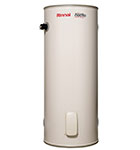


I have No Hot Water
-
I have no hot water – what should I do? (relevant to all types of hot water systems) >If your Rinnai hot water heater is not producing hot water, there are a few basic checks you can carry out before contacting a technician. Electric units require power and water to operate, while gas units also require a gas supply. Follow the steps below to help identify potential issues.
If all else fails, contact your licenced Technician to investigate or reach out to Rinnai Customer Service for assistance.
POWER- Check the power source: Ensure your hot water heater is plugged into its own power point. Unplug the heater and test the power point with another appliance (such as a phone charger or desk lamp) to confirm it is working.
Note: Some electric heaters are hardwired to the switchboard, so unplugging may not be possible. - Reset the unit: Leave your hot water unit unplugged for a few minutes to clear any potential error lockouts.
– Refer to owner / operations manual for error codes and suggested solutions. - Contact an electrician: If the power point isn’t working, reach out to an electrician for assistance.
WATER- Inspect fixtures: Blocked aerators or shower heads can significantly reduce water flow. If you notice that hot water is functioning at one fixture but running cold at another, this often indicates a blockage.
GAS (relevant for Gas Hot Water heaters only)- Check gas valves: Ensure the gas valves to your meter and hot water unit are turned on.
– Any other gas-related issues should be handled by a qualified gas Technician.
- Check the power source: Ensure your hot water heater is plugged into its own power point. Unplug the heater and test the power point with another appliance (such as a phone charger or desk lamp) to confirm it is working.
-
Infinity Gas Continuous Flow >Ensure you follow the above check points before also checking the tips below if you are getting no hot water out of your Infinity Gas Continuous Flow heater unit. If all else fails, contact your licenced technician or contact Rinnai Customer Service to investigate.
- Power supply
- Ensure power is available to the unit.
- Confirm the water heater is switched on at the power supply.
- Unit settings
- Check the Inlet Strainer: A blocked strainer can restrict water flow. Follow this video for instructions on checking your strainer on your hot water unit.
– Note: This video is from Rinnai New Zealand and refers to the ‘A Series’, which is the same as the Infinity Gas Continuous Flow hot water unit in Australia.
– IMPORTANT: If your hot water unit is part of a Gas Boosted Solar hot water system, skip this step to avoid scalding risks. Only qualified technicians should check the strainer in such systems.
 - Tap operation
- Close the hot tap, wait 10 seconds, then reopen it.
- Ensure the hot tap is opened sufficiently.
- Water flow rate
- The water heater will not activate if the flow rate is below 2.5 litres per minute.
NEW INSTALLATIONS
If you are not getting hot water after initial installation, check the following:
• Ensure there isn’t a cross-connection, where the hot and cold water pipes may have been connected incorrectly.
• Confirm that the gas and power is turned on.
• Confirm that any installed controllers are switched on.
• Check that there is adequate gas supply to the unit.
If everything appears to be in order and the issue persists, contact the installer.
-
Efinity Electric Continuous Flow >Ensure you follow the above check points before also checking the tips below if you are getting no hot water out of your Efinity Electric Continuous Flow heater unit. If all else fails, contact your licenced technician or contact Rinnai Customer Service to investigate.
- Power supply
- Ensure power is available to the unit.
- Confirm the water heater is switched on at the power supply.
- Unit settings
- Make sure the water heater itself is turned on.
- Check the temperature setting on the control panel. If needed, adjust using the ‘UP’ or ‘DOWN’ buttons.
- Tap operation
- Close the hot tap, wait 10 seconds, then reopen it.
- Ensure the hot tap is opened sufficiently.
- Water flow rate
- The water heater will not activate if the flow rate is below 2.5 litres per minute.
-
Electric Heat Pumps >Ensure you follow the above check points before also checking the tips below if you are getting no hot water out of your heat pump heater unit. If all else fails, contact your licenced technician or contact Rinnai Customer Service to investigate.
- Power supply
- Inspect your main switchboard to see if any safety switches have tripped.
- Some units are plugged into external power outlets (GPOs). Ensure the power cord is securely plugged in and the outlet is switched on.
- Other checks
- Confirm that your unit’s display or control panel is powered on and the setting is set to ‘ON’.
- This may vary between models, so please refer to your owner / operations manual for specific instructions.
- Check the manual for any error codes or alerts that may indicate a fault.
-
Electric Storage Tanks >Ensure you follow the above check points before also checking the tips below if you are getting no hot water out of your electric hot water storage heater unit. If all else fails, contact your licenced technician or contact Rinnai Customer Service to investigate.
- Power supply
- Check that the isolating switch marked ‘Hot Water’ / ‘Water Heater’ at your meter box is switched ‘ON’.
- Inspect the fuse or circuit breaker marked ‘Hot Water’ / ‘Water Heater’ at the meter box. If the fuse repeatedly blows or the breaker keeps tripping, this may indicate a fault that needs professional attention.
- Hot water usage
- Many users underestimate how much hot water is used – especially during long showers or when multiple outlets are used at once.
- Review your household’s hot water usage and consider installing flow control valves or water-saving shower heads to reduce demand.
- Off-peak power supply
- Some electric water storage heaters are connected to an off-peak power supply, meaning they only heat water during the night when electricity is cheaper.
- If you’ve used all your hot water during the day, you may need to wait until the next scheduled heating cycle.
- Some switchboards may have:
– A day rate override.
– A ‘boost’ button to temporarily activate heating outside off-peak hours.
Rinnai cannot advise on your specific switchboard setup. For assistance, please contact a licensed electrician or your electricity provider.
NEW INSTALLATIONS
If your new storage hot water system isn’t producing hot water, first check that the tank was filled with water before the power was switched on. Turning the power on to an empty tank can cause it to “dry fire”, damaging the heating element – this is an installation error and not covered under Rinnai’s warranty.
If the tank was filled and commissioned correctly, check your electrical supply and connections. If everything appears in order, book a service call with Rinnai Customer Service, as the issue may be related to the tank’s heating element or thermostat.
-
Gas Storage Tanks >Ensure you follow the above check points before also checking the tips below if you are getting no hot water out of your gas hot water storage heater unit. If all else fails, contact your licenced technician or contact Rinnai Customer Service to investigate.
- System and component checks
- Pressure and Temperature Relief (PTR) valve: Is the valve discharging excessive water? This may indicate an issue with pressure or temperature regulation.
- Pilot light: Has the pilot light gone out? Refer to your unit’s instructions for relighting the pilot light.
- Hot water usage
- Tank size: Is your water heater appropriately sized for your household? If not, you may run out of hot water during peak usage. Sizing advice is available from your Rinnai supplier and/or stockist.
- Outlet demand: One outlet (e.g. a shower) may be using more hot water than expected.
– Check shower flow rates using a bucket and timer.
– If usage is high, consider installing a flow control valve. - Appliance usage: Washing machines and dishwashers can consume significant hot water.
– Compare your daily usage to the tank’s storage volume.
– Example: A 170L tank may not meet a 300L daily demand. - Heating cycle and recovery time
- During cold nights, heating may take longer.
- If the tank hasn’t fully recovered from heavy evening use, you may experience a shortage in the morning.
- Leaks and water loss
- Check for leaks in hot water pipes or dripping taps.
– Even small leaks can waste large amounts of hot water.
– Replace faulty tap washers and have a plumber inspect any leaking pipework.
If you still you have an issue contact your local Technician or Rinnai Customer Service to arrange an assessment.
-
Solar Hot Water >Ensure you follow the above check points before also checking the tips below if you are getting no hot water out of your solar hot water unit. If all else fails, contact your licenced technician or contact Rinnai Customer Service to investigate.
Firstly, the cause is likely due to one of two areas:
- The solar heating system is underperforming (seasonal or technical issue).
- The booster system (gas or electric) is not functioning correctly.
Solar systems rely on sunlight to heat water, and performance varies by season. In winter, shorter days and lower sun angles reduce solar gain. The booster system should compensate during these times or during high usage.
Steps to try before contacting a Technician:
GAS BOOSTED SOLAR SYSTEMS
- Power supply
- Check power point (GPO): Ensure the Hot Water unit is plugged into its own outlet.
– Test: the outlet with another device (e.g., phone charger).
– Reset the unit: Unplug for a few minutes to clear any error lockouts.
– No power? Contact a licensed electrician. - Water flow
- No water: Clearing any obstruction often resolves the issue and restores normal operation.
– Test: Check water flowing to unit and that nothing is blocking the cold water inlet filter (located under the black screw cap on the cold water inlet).
– Fix: Contact your local Technician or a Rinnai specialist for diagnosis and repair. - Minimum flow rate: Most hot water units need ~2.5L/min to activate.
– IMPORTANT: Do not check strainers yourself if part of a solar system — there is a risk of scalding. Contact a qualified technician.
– Check fixtures: Blocked aerators or shower heads can reduce flow.
– Test: Run two hot taps at once. If both run hot, one fixture may be blocked.
– Fix: Contact a plumber to clean or replace affected fixtures. - Cross connections
- Ensure there isn’t a cross-connection, where the hot and cold water pipes may have been connected incorrectly.
– Test: Turn off the cold water valve (middle pipe) at the Hot Water Unit. If cold water still flows from a hot tap, a cross connection exists.
– Fix: Contact a plumber to investigate. - Gas supply
- Ensure there is gas going to the unit.
– Check valves: Ensure gas valves at the meter and Hot Water Unit are open.
– Gas issues? Contact a licensed gas plumber.
ELECTRIC BOOSTED SOLAR SYSTEMS
- Safety switch
- Check switchboard: Look for any tripped safety switches related to the Hot Water Unit.
- Further issues? Contact your local Technician or a Rinnai specialist for diagnosis and repair.
- Water flow
- Check water flowing to unit: Check that water is flowing to the unit and that nothing is blocking the cold water inlet filter (located under the black screw cap on the cold water inlet). Clearing any obstruction often resolves the issue and restores normal operation.
- Further issues? Contact your local Technician or a Rinnai specialist for diagnosis and repair.
When to call a Rinnai Specialist
- If no hot water persists after these checks.
- If the booster is working, but you suspect the solar system isn’t contributing.
- For seasonal servicing to maximise solar gain and reduce energy costs.
Troubleshooting – all types of Hot Water systems
-
My hot water cuts out or temperature fluctuates during operation – what should I do? >Fluctuating water temperature can be caused by several factors, most of which are related to water flow and usage patterns rather than a fault in the unit itself. Below are some common causes and tips. If all else fails, contact your licenced technician to investigate.
- If several hot taps are open or appliances like dishwashers or washing machines are running at the same time, the system may struggle to maintain consistent temperature. This can lead to reduced flow per tap or noticeable temperature changes.
- Try increasing the flow of hot water at the outlet before adding cold if necessary.
- The ability to maintain consistent temperature depends on the size of your water heater, your geographic location and the season (colder inlet water in winter can affect performance)
GAS CONTINUOUS FLOW
Check the Inlet Water Filter (strainer) for restrictions. A blocked strainer can restrict water flow. Follow this video for instructions on checking your strainer on your hot water unit.
– Note: This video is from Rinnai New Zealand and refers to the ‘A Series’, which is the same as the Infinity Gas Continuous Flow hot water unit in Australia.
– IMPORTANT: If your hot water unit is part of a gas boosted solar hot water system, skip this step to avoid scalding risks. Only qualified technicians should check the strainer in such systems.
-
Why does the flow rate drop when another tap is turned on? >Several factors can cause a drop in flow rate when multiple taps are used.
- Water demand
- The system may be trying to heat more water than it can handle efficiently.
- Automatic flow adjustment
- The water heater adjusts flow automatically based on the selected delivery temperature and the ambient water temperature.
- If more taps are open or the incoming water is colder, the unit will reduce flow to maintain the set temperature.
- Water pressure
- Check if the water pressure is sufficient to support the desired flow rate
- Refer to the specifications table in your owner / operations manual for minimum and maximum supply pressures and the minimum operating flow rate (in L/min)
- Filter blockage
- The unit includes a filter to prevent debris from entering the system.
- Have a licensed plumber inspect and clean the filter if necessary.
- Water demand
-
My hot water is not delivering the desired temperature – what should I do? >
Note: Under Australian plumbing standards, hot water supplied to bathroom fixtures is limited to 50°C for safety. If the temperature measures around 50°C, the unit is likely operating normally.
Check the following. If all else fails, contact your licenced technician to investigate.
GAS CONTINUOUS FLOW
- Check controller transfer button: If the button has been engaged, turn it off.
- Check inlet strainer: A blocked strainer can restrict water flow. Follow this video for instructions on checking your strainer on your hot water unit.
– Note: This video is from Rinnai New Zealand and refers to the ‘A Series’, which is the same as the Infinity Gas Continuous Flow hot water unit in Australia.
– IMPORTANT: If your hot water unit is part of a gas boosted solar hot water system, skip this step to avoid scalding risks. Only qualified technicians should check the strainer in such systems.
ALL OTHER HOT WATER SYSTEMS- Check Tempering Valve (TMV) (if applicable): It may require adjustment by installer.
- Check tap operation: Turn on tap to see if water is coming out when in operation.
-
Can I make the water hotter / control the temperature of my how water? >GAS CONTINUOUS FLOW
For safety and regulatory reasons, the temperature of water supplied to areas used for personal hygiene is limited and cannot be increased beyond a set limit. Local standards, such as AS/NZS 3500, restrict the maximum temperature to 50°C or lower to help prevent scalding and ensure a safe and comfortable experience.
If you would like to explore the option of having hotter water supplied to your kitchen or laundry, please consult your licenced Technician.
ELECTRIC CONTINUOUS FLOW
For the Efinity Electric Continuous Flow unit you can control the temperature using the ‘UP’ and ‘DOWN’ buttons on the display panel.
The temperature range depends on the model. 30–60°C for the 60°C appliance and 30–50°C for the 50°C appliance. For hygiene and comfort, a temperature between 37°C and 43°C is recommended, though personal preference may vary. The system displays both the water temperature and flow rate, and will automatically start when a hot water tap is opened. For safety, the temperature cannot be increased above 43°C while any hot tap is running. Lower temperature settings can also help save energy.
ELECTRIC STORAGE TANKS
Yes, but there are important safety and regulatory requirements to consider:
- Thermostat settings
- The thermostat on your water heater is factory pre-set to 70°C.
- To meet Australian regulations, stored water must not be set below 60°C to prevent the risk of bacterial growth (e.g., Legionella).
- The thermostat can be adjusted between 60°C and 70°C, but only by a licensed electrician or suitably qualified tradesperson.
- Tempering Valve (TMV)
- For most residential installations, hot water must pass through a tempering valve to reduce the temperature to 50°C at outlets, in line with Australian Standards.
- Tempering valves can only be adjusted or replaced by a licensed plumber.
- If you suspect the TMV is faulty or want hotter water at specific taps (e.g., kitchen or laundry), contact your local plumber to explore available options.
GAS STORAGE TANKS
Yes, you can adjust the temperature setting on your hot water unit — but there are important safety and regulatory considerations:
- Safety standards
- Australian Standards often require a Tempering Valve (TMV) to be installed on hot water outlets used for personal hygiene (e.g. showers, basins).
- This valve limits water temperature to 50°C to reduce the risk of scalding.
- You can check your water temperature using a thermometer at the outlet.
- Adjusting the tank temperature
– You can increase the temperature setting on the tank itself: - Turn the large dial anticlockwise to select a higher number setting.
- This will cause the main burner to ignite.
- A setting of ‘5’ is recommended, which typically delivers water between 60°C and 65°C.
- Lower settings will reduce the water temperature.
- Important information
- Increasing the tank temperature may not affect outlet temperature if a tempering valve is installed.
- Always consult a licensed plumber before making adjustments to ensure compliance with safety regulations.
-
The time it takes for hot water to reach the outlet seems excessive – what should I do? >The delay in hot water reaching your tap is usually not caused by the hot water unit itself. When a hot water tap is turned on, the unit takes a few seconds to complete its start-up process and begin heating the water.
More commonly, the delay is due to plumbing. Cold water sitting in the pipes between the hot water unit and the tap must be flushed out before hot water can flow through. This is what causes the noticeable delay.
You can easily test this:
- Have one person stand near the hot water unit while another turns on a hot water tap inside the house. After about 3–4 seconds, the person near the unit should hear the combustion ignite and feel warm air venting from the top exhaust – indicating the unit is working as expected.
If you notice the delay is longer than usual, we recommend contacting a licensed Technician to investigate. -
My recent gas / electricity bill has been excessive – what should I do? >There are a few possible reasons this could be the case.
- There may be a hot water leak: Call your technician.
- You are using an excessive amount of hot water: Consider installation of low water usage taps and shower roses, take shorter showers, wash clothes on cold cycle.
- Electric boost has not been set up for off peak tariff: if applicable.
- System may require maintenance: Call your technician or Rinnai Customer service.
- Out of date technology: Consider an upgrade to a higher efficiency model.
Contact your licenced technician to investigate options or reach out to Rinnai Customer Service for assistance.
SOLAR HOT WATER
Higher energy bills can occur for several reasons, especially when using a solar hot water system.
- Reduced solar contribution
– Overcast weather in summer or reduced sunlight in winter can limit solar heating.
– When this happens, your system relies more on electric or gas boosting, which increases energy use.
– Slightly higher bills during these periods are normal. - Possible system issue
– If you notice a consistent increase in energy use, your solar system may not be preheating water effectively.
– It’s a good idea to have the system inspected by a licensed technician, who can check key components such as:
- Whether the solar pump is running continuously
- If a heat trap has been installed correctly
- Hot water usage patterns and settings.
If everything appears to be in order and your bills remain unusually high, contact Rinnai Customer Service for further assistance.
SPECIFICALLY RELATED TO:
-
Infinity Gas Continuous Flow >
-
My controller has no power and I have no hot water? >If your controller appears to have no power, please check the power supply to your hot water unit to ensure it is properly connected and turned on.
If you are using a wireless controller, follow this tutorial video to learn how to reconnect your controller.
If you continue to have no hot water contact your licenced technician to investigate or reach out to Rinnai Customer Service for assistance. -
What’s the minimum flow rate for the Infinity Gas Continuous Flow hot water unit? >The minimum flow rate required for the Infinity to activate depends on both the water flow rate and the temperature rise needed. Under normal operating conditions, the unit can start with a flow as low as 2.4 litres per minute, and in some cases, operate effectively at 1.5 litres per minute.
If only a small temperature increase is required, the flow rate may need to be higher to initiate operation. The Infinity’s Printed Circuit Board (PCB) software automatically calculates and adjusts the required flow rate to ensure optimal performance based on system conditions. -
Why does my controller keep resetting to 42 degrees? >When the transfer or priority button is pressed to take control of the temperature, the system may reset to a lower temperature for safety reasons.
If you continue to have this issue contact your licenced technician to investigate or reach out to Rinnai Customer Service for assistance.
-
-
Electric Heat Pumps >
-
Why do I keep running out of hot water? >Running out of hot water is often due to the amount of hot water being used exceeding the storage capacity of your Heat Pump system. Many users are surprised by how much hot water is consumed during activities like showering, especially in households with multiple occupants.
If your daily usage regularly exceeds the tank’s capacity, the system may not recover quickly enough to meet demand – particularly during peak times. Some systems also have a timer schedule set to control when the unit heats (uses power). If the system is outside its heating schedule, it may not reheat the water until the next programmed time. Review the following:
- Check the size of your hot water cylinder.
- Review your household’s water usage habits.
- Check whether a timer schedule is set and if the heating times suit your household’s usage.
If none of the above appear to be causing the issue, you may need to arrange for the system to be serviced. If your hot water usage regularly exceeds the system’s capacity, you may also need to consider resizing your system to better suit your household’s needs.
-
When I turn on the hot water for the first time each day, it’s cold – why isn’t my Heat Pump heating the water? >First, check whether there has been a power outage or if the isolator switch labelled “Hot Water” has tripped. Power interruptions overnight can prevent the system from heating, but this is often easily resolved once power is restored.
If the circuit breaker in your meter box has tripped repeatedly, contact a licensed electrician to investigate. If the electrical supply and fixtures are all functioning correctly but the issue continues, book a service call with Rinnai Customer Service, as the fault may be related to the tank’s heating element. -
There is water leaking from my Heat Pump – what should I do? >It’s quite common for Heat Pumps to release small amounts of water during normal operation due to condensation, particularly in humid conditions. Below is a guide to help you identify what’s normal and when to take action.
Normal water discharge points
• Why it happens: Warm, humid air condenses on the cool coil surface.
• What to expect: Light water discharge through a drainage pipe — this is normal and not a cause for concern.
Pressure and Temperature Relief (PTR) valve
• Location: Near the top of the water heater.
• Function: Releases small amounts of water during heating to maintain safe pressure levels.
• What to expect: Occasional dripping from the PTR drain line is normal.
When should I be concerned
You should contact a qualified technician if you notice:
• Water leaking down the outer casing.
• Pooling water around the base of the unit.
• Continuous or excessive water flow from the PTR drain.
What should I do
• New installation: Contact your installer immediately.
• Existing unit: If this is a new issue, reach out to Rinnai Customer Service to arrange an inspection or maintenance. -
The fan keeps running, is this normal? >Yes, it’s normal for the fan on your Heat Pump to run periodically – even when hot water isn’t actively being used. The fan is part of the system’s operation and helps:
- Maintain water temperature.
- Support the heat exchange process.
- Ensure efficient performance.
Depending on the mode your unit is set to (especially ECO or HYBRID), the fan may run more frequently to maintain efficiency or assist with recovery. If the fan is running constantly or seems unusually loud, it may be worth checking for any error codes or contacting Rinnai Customer Service for further assessment. -
Where can I download the App to control my Heat Pump via Wi-Fi? >The App you need depends on your Heat Pump model. The built-in Wi-Fi module allows you to conveniently monitor and control your system from anywhere. For older models not shown below refer to your owner / operations manual (or visit the discontinued products page to download manuals for recently discontinued models).
-
The Wi-Fi won’t connect to my Heat Pump. What should I do? >If your Heat Pump isn’t connecting to Wi-Fi, try the following steps:
- Check your owner / operations manual. All manuals are available for download on our website.
- Follow the connection steps in the manual. Each model has its own setup process.
Tip: Make sure you are connecting to a 2.4GHz Wi-Fi network (not 5GHz) and that your device has at least three bars of signal strength.
If you’ve tried these steps and are still unable to connect, contact Rinnai Customer Service for further assistance.
-


-
Electric Storage Tanks >
-
Why do I keep running out of hot water? >There are several reasons why you might be running out of hot water. Here are the most common ones to check:
Hot water usage
• Many users underestimate how much hot water is used, especially during long showers or when multiple outlets are used at once.
• Consider installing flow control valves or water saving shower heads to reduce demand.
• Ensure your system is given enough time to recover between uses.
Thermostat settings
• Ask a licensed electrician to check the temperature setting of your thermostat. If it’s set too low, the system may not heat enough water to meet your needs.
Off-peak power supply
• Some Electric Storage water heaters are connected to an off-peak power supply, meaning they only heat water during the night when electricity is cheaper.
• If you’ve used all your hot water during the day, you may need to wait until the next scheduled heating cycle.
Boost and override options
• Some switchboards may have a day rate override and/or a ‘boost’ button to temporarily activate heating outside off-peak hours.
Note: Rinnai cannot advise on your specific switchboard setup. For assistance, please contact a licensed electrician or your electricity provider. -
When I turn on the hot water for the first time each day, it’s cold – why isn’t my Storage unit heating the water? >If your hot water is cold in the morning, first check whether there has been a power outage or if the isolator switch marked ‘Water Heater’ / ‘Hot Water’ has tripped. In many cases, this can occur overnight and can be easily reset. Recovery time will depend on the factors including hot water usage, thermostat settings, off-peak power supply, boost and override settings.
If the circuit breaker in the meter box has tripped repeatedly, contact a licensed electrician to investigate the cause. If the electrical supply and fixtures are operating correctly but the issue persists, book a service call with Rinnai Customer Service, as the fault may be related to the tank’s heating element or thermostat. -
My storage unit is leaking water, what should I do? >Some water discharge is normal during operation, especially from the Pressure and Temperature Relief (PTR) valve, which may release water during the heating cycle. However, if water is leaking from any other part of the unit, it may indicate a fault and should be investigated.
What can I do
• If the leak is excessive, you can isolate the water supply by turning off the valve on the cold water inlet, located at the bottom of the tank.
• If your unit is newly installed, please contact your installer directly.
• If your unit is not newly installed, contact the Rinnai Customer Service to arrange an inspection. -
There is water leaking from the pressure and temperature relief valve (PTR valve)? >It is normal for the pressure and temperature relief (PTR) valve to release a small amount of water through the drain pipe during the heating cycle. This is part of the system’s built-in safety function.
What can I do
• Try easing the valve gear for a few seconds. This may dislodge any debris and stop the leak.
When to take action
Heavy water flow that stops only when the unit cools down may indicate a serious fault.
• Turn off the power at the meter box (switch marked ‘Water Heater’ / ‘Hot Water’) or the isolating switch near the unit.
• Turn off the water supply via the valve on the cold water inlet at the bottom of the tank.
• Contact Rinnai to arrange an inspection.
Steady flow for long periods, especially at night, may mean the water pressure is too high for the system. Contact your installing plumber – a Pressure Limiting Valve (PLV) may be required.
Else, contact the Rinnai Customer Service to arrange an inspection.
-
-
Gas Storage Tanks >
-
How do I relight my pilot light? >
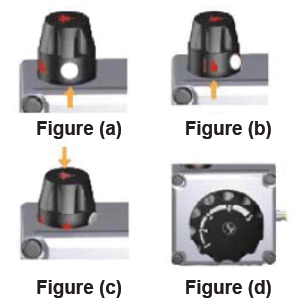
- Turn the knob fully clockwise to the
 (OFF) position. (See Figure a)
 - Wait 5 minutes to allow any unburnt gas to escape.
WARNING: Failure to wait may result in explosive ignition or injury. - Turn the knob to the
 (Pilot) position. (See Figure b)
 - Depress the knob fully (until it disappears below the housing).
– After 30 seconds, while keeping the knob depressed.
– Press the igniter button repeatedly for up to 40 seconds until the pilot flame ignites. (See Figure c) - Keep the knob depressed for 20 seconds after the pilot flame lights.
- Release the knob and check if the pilot is still alight.
- If the pilot fails to light:
– Turn the knob to (OFF).
– Wait 5 minutes.
– Repeat from Step 3. - Once the pilot remains alight:
– Turn the knob anticlockwise to the flame setting.
– Turn the large dial anticlockwise to select a number setting.
– A setting of ‘5’ is recommended (approx. 60–65°C water temperature). - Adjust the knob to a lower number for cooler water temperatures.
- Replace the access panel and ensure it is securely in place before operating the appliance.
Note: If the burner does not light at the selected setting, the water may already be at the desired temperature.
- Turn the knob fully clockwise to the
-
Why do I keep running out of hot water? >There are several reasons why you might be running out of hot water. Here are the most common ones to check:
Hot water usage
• Many users underestimate how much hot water is used, especially during long showers or when multiple outlets are used at once.
• Consider installing flow control valves or water-saving shower heads to reduce demand.
• Ensure your system is given enough time to recover between uses.
• The size of the tank might not be adequate for the amount of hot water you use. Check if your tank size is suitable for your household’s hot water needs.
Thermostat settings
• You can turn up the temperature setting of the tanks. Turn the large dial anticlockwise to select the number setting. This will cause the main burner to light. A setting of ‘5’ is recommended and this will give a water temperature between 60°C to 65°C. -
There is water leaking out of my storage unit, what should I do? >Some water discharge is normal during operation, especially from the Pressure and Temperature Relief (PTR) valve, which may release water during the heating cycle.
However, if water is leaking from any other part of the unit, it may indicate a fault and should be investigated.
What can I do
• If the leak is excessive, you can isolate the water supply by turning off the valve on the cold water inlet, located at the bottom of the tank.
• If your unit is newly installed, please contact your installer directly.
• If your unit is not newly installed, contact the Rinnai Customer Service to arrange an inspection. -
There is water leaking from the pressure and temperature relief (PTR) valve, what should I do? >• Pressure and Temperature Relief valve: It is normal for the Pressure and Temperature Relief valve to release a small amount of water through the drain pipe during the heating cycle. This is part of the system’s built-in safety function.
• Continuous trickle: This is most likely due to a build up of foreign matter. In this case try gently raising the easing lever on the Pressure and Temperature Relief valve for a few seconds then release gently. This may dislodge a small particle of foreign matter and rectify the fault.
• Steady flow (more than 20L per day): This may be caused by excessive water supply pressure, a faulty Pressure and Temperature Relief valve or a faulty thermostat. Turn off the gas supply and contact Rinnai Customer Service to arrange an inspection.
-
-
Solar Hot Water >
-
How can I tell if my Solar hot water system is working? >The best way to check if your Solar hot water system is working is to release water directly from the tank using the Pressure and Temperature Relief (PTR) valve. Be cautious when doing this, as the water can reach temperatures of up to 70°C if the system is functioning correctly. The ideal time to test is at the end of the day, especially after a period of low water usage, to allow maximum solar heating.
Instructions for safely using the PTR valve can be found in your system’s owner / operations manual. -
Why are Solar Boosters preset at 70°C, and can this be adjusted? >Solar boosters are preset to 70°C to comply with legal requirements and ensure the water is safe for household use. Heating water to this temperature helps eliminate harmful bacteria, including Legionella.
The preset temperature cannot be adjusted, as altering it could compromise water safety and compliance with regulations. -
I can hear a popping or banging noise from my Solar hot water cylinder, is it safe? >Yes, in most cases, this is normal and safe.
Why does it happen?
• On days of high solar gain, the water temperature in the collector panels can become very high.
• This may cause noises similar to a boiling kettle or metal expanding/contracting.
Is action required?
• The collector and system are designed to withstand these conditions.
• No action is needed unless the noise is extreme or persistent.
-
What should I do if my Solar collector panels on the roof are damaged and leaking? >If your Solar hot water collector panels are leaking, it’s important to act quickly to prevent water damage to your property.
Immediate steps to take: Isolate the water supply
• OPTION A: Turn off the water at the main water meter (this stops water to your entire property).
• OPTION B: Turn off the cold water supply to the hot water system.
– Locate the isolation valve on the cold water inlet pipe to the storage tank.
– This is usually a copper pipe on the lower left-hand side of the tank.
– The valve typically has a green handle or a black circular handle.
Once the water is isolated, call your local technician or Rinnai Customer Service to book a technician to come and inspect and repair your system. -
There is condensation in my Solar collector panels – is there something wrong with my system? >A small amount of condensation inside your Solar collector panels is generally normal and safe. The panels are designed with slight ventilation between the atmosphere and the internal components to ensure efficient operation. Under certain weather conditions, moisture in the air may condense on the inside surface of the collector glass, similar to fogging. This does not affect system performance. However, if the condensation never clears, it could indicate that the ventilation openings are blocked.
If you are concerned, it’s best to contact Rinnai Customer Service to book a technician to inspect the system. -
Water is flowing out of my Solar collector onto the roof – what should I do? >This is usually caused by damage to the panel from a frost event. In the meantime, cap off the tank to ensure the household still has hot water. The panel will need to be replaced, and the pump and solar sensor leads should be checked to ensure they are operating correctly. Reach out your local technician or contact Rinnai Customer Service to book a service call.
-
My Solar hot water system is discharging water continuously from the Pressure Temperature Relief Valve (PTV) – is this normal? >Occasional water discharge from the Pressure and Temperature Relief (PTR) valve is normal as the system heats and expands. However, continuous discharge may indicate an issue.
Check that the incoming water supply pressure does not exceed 500 kPa, confirm that the thermostat (for electric-boosted systems) is functioning correctly, and ensure the solar pump switches off once the tank temperature reaches approximately 65°C.
If this continues, reach out your local technician or contact Rinnai Customer Service to book a service call. -
My Solar hot water system is leaking water from the Evacuated Tube header bar – is this a problem? >Yes, this usually indicates incorrect welds within the heat exchange tube, allowing water to seep from the header bar. The header will need to be replaced. Contact a licensed technician or Rinnai Customer Service to arrange a service call.
-
My Solar hot water system is releasing air at the taps, causing bubbling and spluttering – should I be concerned? >This is likely caused by an overactive anode* producing excess hydrogen gas. It’s recommended to contact a licensed technician to inspect the system and replace the anode if necessary. You can also reach out to Rinnai Customer Service to arrange a service call.
*An anode is a metal rod inside the hot water tank that helps prevent rust. It slowly corrodes over time so the tank stays protected and lasts longer. -
My Solar hot water pump is running continuously overnight – is this normal? >It’s normal for the pump to operate briefly at night when temperatures near the Solar panels drop to around 4–5°C – this is part of the system’s frost protection function. However, the pump should not run continuously overnight. If it does, this may indicate a faulty sensor lead, which can prevent the pump from switching off and reduce solar heat gain. We recommend having a licensed technician inspect the sensor lead with a resistance tester and replace it if needed. You can also reach out to Rinnai Customer Service to arrange a service call.
*Solar heat gain: (also referred to as solar gain or passive solar gain) is the increase in thermal energy within a space, object, or structure resulting from the absorption of incoming solar radiation.
-
Why does my Solar hot water Gas Booster turn on even when the tank is full of hot water? >The Gas Booster is set to maintain a water temperature of around 70°C. When a hot water tap is turned on, the booster automatically activates to check the water temperature. If the temperature in the tank is below 70°C, the booster will stay on to heat the water. If it’s already above that temperature, the booster will switch off.
-
My Solar hot water system seems to have a low recovery rate during summer — is this normal? >A lower recovery rate in summer can sometimes occur due to system setup.
Check that your solar collectors are oriented as close to true north as possible, or within 45° east or west, and that the roof pitch or collector inclination is correct for optimal solar gain. Incorrect orientation or tilt can reduce system efficiency and heat recovery. If the problem persists, contact a licensed technician or contact Rinnai Customer Service to arrange a service call. -
Can I isolate the power to my Electric Boosted system, so I only use Solar gain* to heat my water? >No, you should not isolate the power to your Electric Boosted Solar hot water system. Electric boosted systems are programmed to heat water to 60°C, typically between 2am and 6am, for two important reasons:
• Daily hot water availability: Ensures you have a full tank of hot water ready for use the next day.
• Health and Safety (Sterilisation):
– Heating to 60°C acts as a sterilisation process.
– Prevents the growth of harmful bacteria such as Legionella, which can thrive in water stored below 60°C for extended periods.
– This process keeps your hot water safe for use.
*Solar heat gain: (also referred to as solar gain or passive solar gain) is the increase in thermal energy within a space, object, or structure resulting from the absorption of incoming solar radiation.
-
Error Codes
-
My hot water heater is showing an error code – how do I know what the code means? >
SPECIFICALLY RELATED TO:
-
Infinity Gas Continuous Flow >
-
How do I know what the error code means on my gas continuous flow hot water unit? >
-
What does error code 11 on my gas continuous flow water heater mean? >On your gas continuous flow hot water heater the error code 11 indicates an ignition failure, which could be due to issues with your gas supply or gas valves being closed. Please check your gas supply and ensure that the gas valves are open.
In the majority of cases, you may be able to clear the Error Code simply by turning the hot water tap ‘OFF’. Then ‘ON’ again. If this does not clear the Error Code, try turning the power ‘OFF’, waiting 10 seconds and the ‘ON’ again.
If the error code still remains, contact Rinnai Customer Service to book a service.
-
-
Efinity Electric Continuous Flow >
-
Electric Heat Pumps >