:format(webp))
Reverse cycle air conditioners are popular in Australia because one system can cool your home in summer and warm it in winter.
Rather than generating heat directly, they move it from one place to another. The result is year-round climate control without needing separate appliances for each season.
That flexibility goes a long way in a country where conditions can shift from humid coastal heat to frosty inland mornings. Your heating and cooling needs may even change within the same day. It also explains why more homeowners are considering energy efficiency, capacity, and climate performance instead of looking at cooling alone.
So, what is a reverse cycle air conditioner, and could one suit your home? Today, we'll explain how the technology works, compare portable, split, and ducted systems, and look at the factors that shape purchase and installation costs.
You'll also learn what to check before choosing a model and how regular servicing can make all the difference when it comes to performance.
What Is a Reverse Cycle Air Conditioner?
A reverse cycle air conditioner is an electric system that provides both cooling and heating. Also known as an air-source heat pump, it uses refrigerant to transfer heat between your home and the air outside.
During cooaling, the indoor coil absorbs heat, and the outdoor coil releases it. When you select heating, a reversing valve redirects the refrigerant, causing the coils to swap roles. The outdoor coil collects available heat from the air, while the indoor coil releases that warmth into your home, even when it feels cold outside.
Reverse cycle describes the technology rather than the system's physical design. Portable, wall-mounted split, multi-split, and ducted air conditioners can all offer reverse-cycle operation. The right option depends on how many rooms you want to condition, the available space, and how you use your home.
How Does a Reverse Cycle Air Conditioner Work?
The system may change the feel of a room quickly, but behind the grille is a carefully controlled loop. Its main components include an evaporator, compressor, condenser, expansion device, refrigerant, and a reversing valve.
In cooling mode, the process works like this:
The indoor coil acts as the evaporator and absorbs heat from the room air.
Refrigerant carries that heat to the compressor, which raises its pressure and temperature.
The outdoor coil acts as the condenser and releases the collected heat outside.
The refrigerant passes through an expansion device, reducing its pressure before the cycle begins again.
When you select heating, the reversing valve redirects the flow of refrigerant. The outdoor coil now absorbs heat from the air, and the indoor coil releases it into your home. The refrigerant circulates through the sealed system, so contrary to popular belief, the system never just uses up refrigerant.
So, how does a reverse-cycle air conditioner work efficiently when it is cold outside? Heat is still present in outdoor air at low temperatures. The system draws on that available heat and moves it indoors instead of creating warmth from electricity alone.
Modern inverter technology can make operation smoother too. Instead of repeatedly running at full output and switching off, an inverter compressor adjusts its speed as conditions change.
Once the room approaches your chosen temperature, the system can ease back and maintain comfort with fewer sharp starts and stops of the compressor, which also uses more electricity.
Portable vs Split vs Ducted Reverse Cycle Systems
Once you understand how the technology works, the next question is how you want it delivered. The right format depends on the property, the number of rooms, and how permanent you want the installation to be.
1. Portable Reverse Cycle Air Conditioners
A portable reverse cycle air conditioner combines heating and cooling in a movable unit. It can suit a bedroom, home office, rental property, or room where permanent installation isn't practical. You will still need access to a window or external opening for the exhaust hose.
Portable units generally suit individual rooms rather than an entire home. Because the compressor sits inside the room, operating noise may also be more noticeable than with a split system. Check the recommended room size, heating and cooling capacity, hose requirements, and noise level before buying.
2. Split-System Air Conditioners
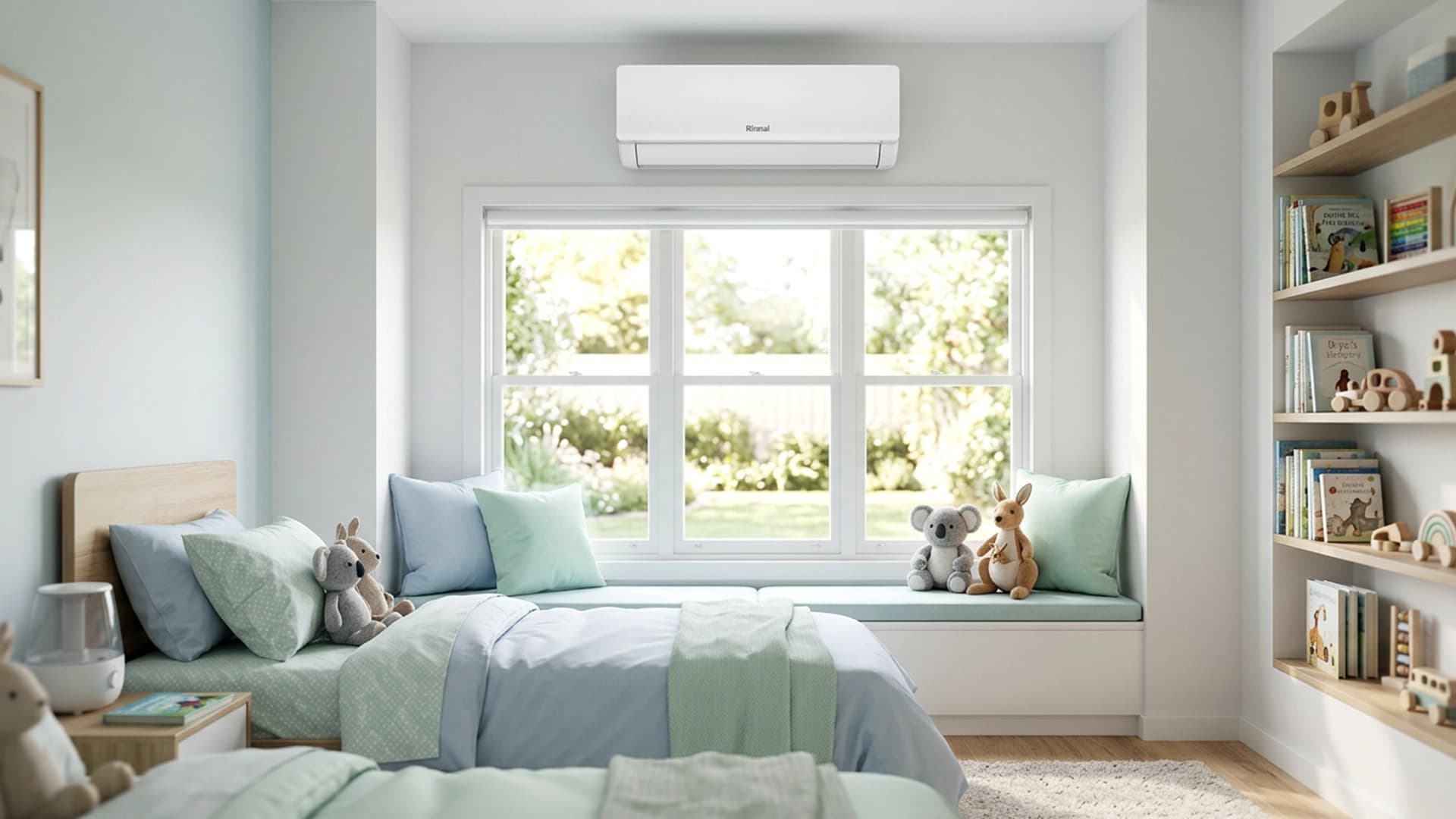
A split system has an indoor unit and a separate outdoor unit connected by refrigerant pipework and cabling. It is usually installed to condition one bedroom, living room, or open-plan area. With the compressor outside, indoor operation is generally quieter than a portable unit.
Split systems offer a broad range of capacities and energy ratings. Installation must be completed by a licensed installer, but the finished system gives you a permanent solution without taking up floor space.
3. Ducted Reverse-Cycle Air Conditioners
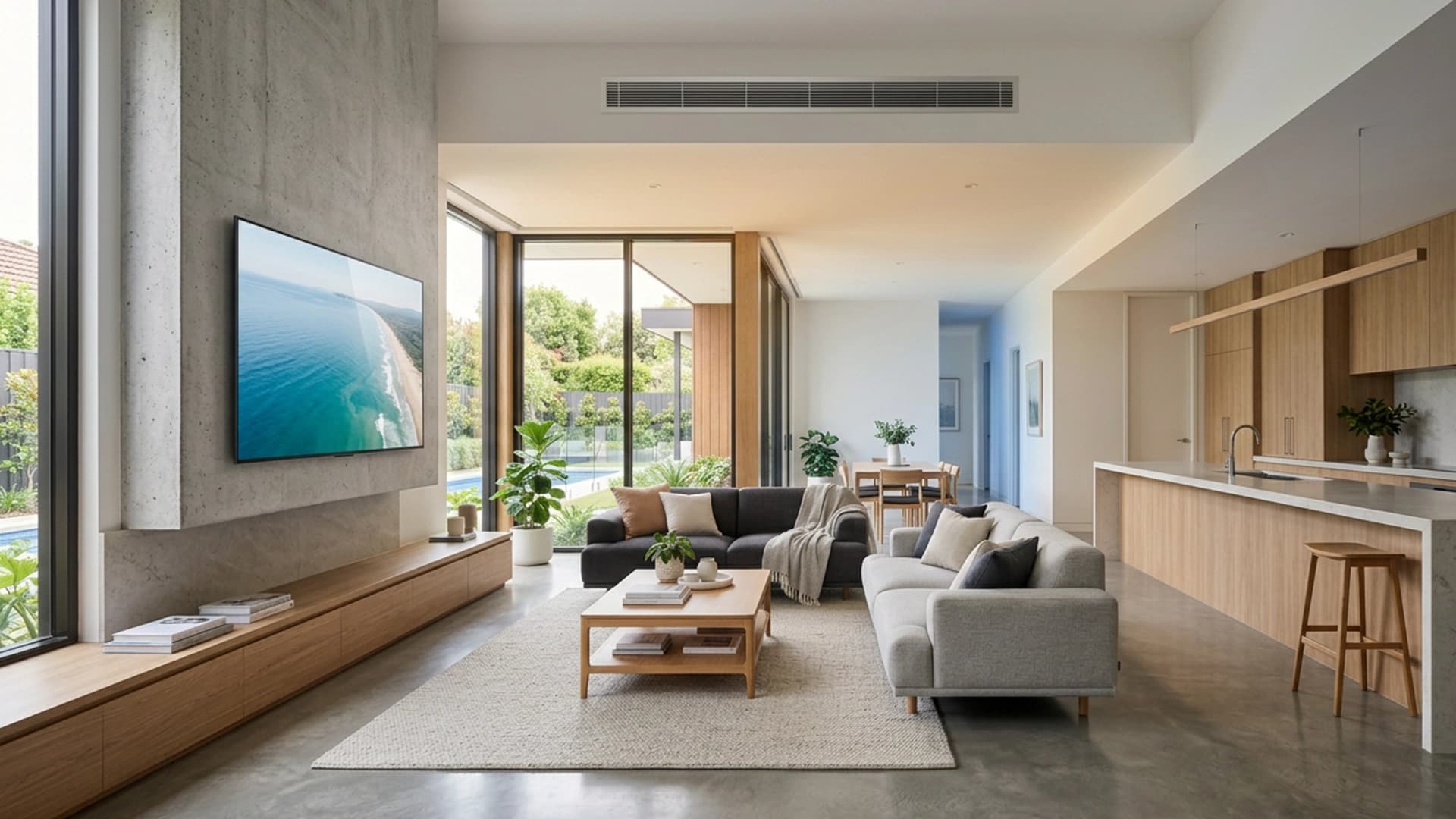
Ducted systems use one central indoor unit and insulated ductwork to distribute air through vents in multiple rooms. They suit people looking for discreet, whole-home heating and cooling.
The best reverse cycle ducted air conditioner is not simply the largest model available. It needs to be sized for the home, designed around the layout, and divided into practical zones. A well-planned system lets you focus heating or cooling on the areas being used, although ductwork and installation make it a larger upfront commitment.
Reverse Cycle Air Conditioner Price: What Affects Cost?
There is no single reverse cycle air conditioner price that applies to every home. Portable, split, and fully zoned ducted systems involve very different equipment and labour.
The main cost factors include:
System type and capacity: Larger spaces and multi-room layouts need more heating and cooling output.
Installation requirements: Pipe runs, roof access, drainage, electrical work, wall construction, and outdoor-unit placement can all affect labour.
Energy efficiency: Higher-efficiency technology may cost more initially but can use less electricity than a comparable lower-rated model.
Controls and zoning: Wi-Fi connectivity, sensors, extra zones, and advanced controllers may add to the purchase price.
Warranty and support: Product coverage, installer workmanship, replacement parts, and local servicing all contribute to long-term value.
A cheap reverse cycle air conditioner can look appealing on the shelf, but that initial figure tells only part of the story. Check whether the capacity suits the room, what installation includes, how the model performs in your climate, and what support is available after purchase.
Compare similar-capacity systems using the Zoned Energy Rating Label. It shows performance information for Australia's hot, average, and cold climate zones, giving you a more useful picture of the system's energy use.
Why Reverse-Cycle Systems Suit Australian Homes
Australian homes need different things from an air conditioner. Brisbane homes may spend longer in cooling mode and need help dealing with humidity. Melbourne can move from warm afternoons to cool evenings quickly, while Canberra households may focus more on cold-climate heating.
Reverse-cycle technology responds to those differences through one adaptable system. You can cool the room during summer, switch to heating when winter settles in, and use modes such as dehumidification where the model provides them.
Energy efficiency also adds to the appeal. As we mentioned earlier, reverse-cycle systems transfer heat rather than creating it directly. Inverter technology lets the system speed up or slow down as needed, rather than repeatedly switching on at full power and turning off.
Searching for the best reverse-cycle air conditioner Australia has to offer will produce plenty of choices. Start with your climate, room size, insulation, glazing, and household routine. Then compare similar-capacity models using the Zoned Energy Rating Label.
Reverse Cycle Air Conditioner Service and Maintenance
Air conditioners move a huge amount of air, so dust always finds its way to the filters. Cleaning them helps maintain airflow and keeps the system from working harder than needed. Depending on the model and how often it runs, Rinnai recommends cleaning filters every one to three months and arranging professional servicing every one to two years.
A reverse cycle air conditioner service may also include checking refrigerant pressures, electrical connections, drainage, airflow, controls, and the condition of the indoor and outdoor coils. Ducted systems may also need their return-air filter and ductwork checked over.
Keep the outdoor unit clear of leaves and other obstructions, and pay attention to changes in noise, airflow, odour, or performance. Catching issues early can stop an inconvenient breakdown just when the weather turns!
Smarter Heating and Cooling for Modern Australian Living
Why let the weather decide how comfortable your home feels? A reverse-cycle air conditioner puts heating and cooling in one system, giving you an easier way to manage changing conditions throughout the year.
Your best option may be a portable unit for one room, a split system for a regularly used space, or a ducted system for whole-home comfort. Whichever format you choose, the right capacity, energy efficiency, and performance will make all the difference to comfort and running costs.
Ready to take control of your year-round comfort?
Explore Rinnai's range of portable, split, multi-split, and ducted air conditioners. Have a question before choosing?
Ready to discuss supply and installation?
Find a local supplier near you.
Rinnai – Millions of Homes, One Trusted Name.